Tailing Management
Services in Ghana

End-to-end TSF management, EPA compliance, and international standards alignment.
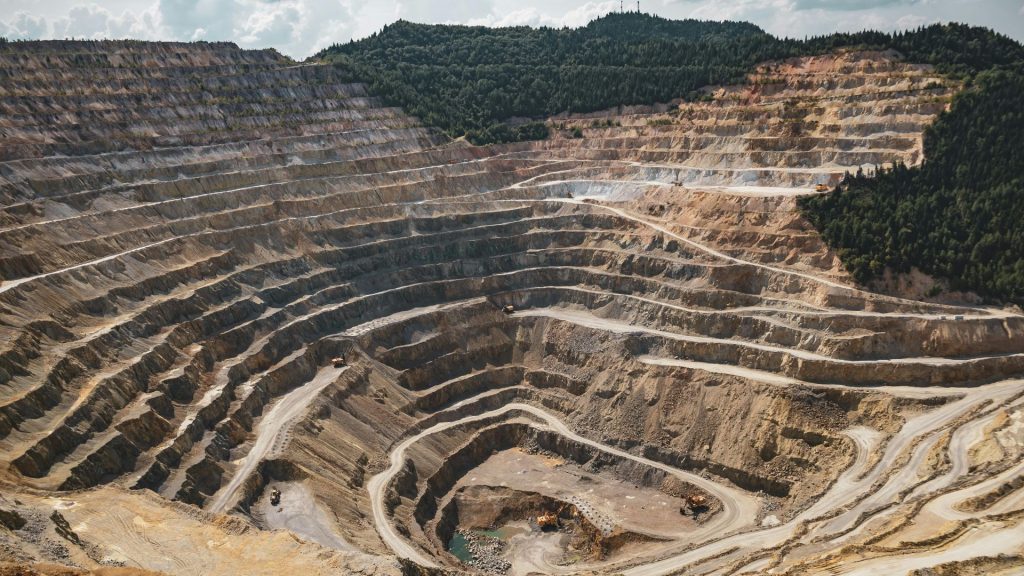
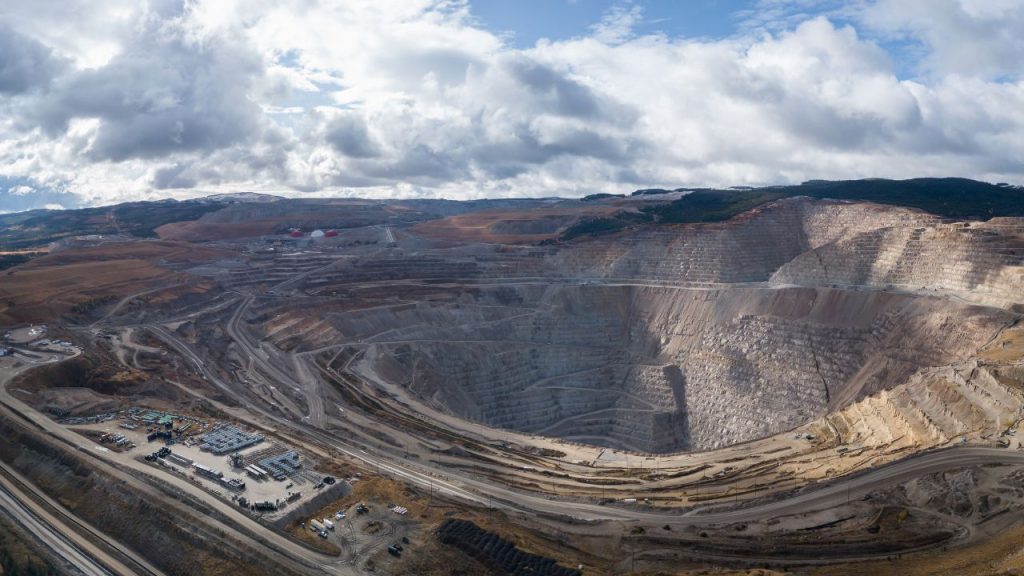
Tailing management is among the most technically demanding and most consequential responsibilities in any surface mining operation. The way an operator manages its tailings storage facility directly affects its environmental standing, its regulatory compliance under Ghana’s EPA, its social licence with surrounding communities, and ultimately its ability to continue operating. Poorly managed mine waste creates liability that compounds over time. Rigorous, professionally executed tailing management protects against that liability every day the mine is in production. Minerra Ghana Limited provides end-to-end tailing management services to mining operations across Ghana and West Africa. Our scope covers tailings storage facility operational management, slurry disposal and placement, containment integrity monitoring, environmental surveillance, seepage and drainage control, and full EPA Ghana compliance documentation. Whether you are running a high-volume gold processing operation in the Ashanti Region or commissioning a small-scale tailings facility for first production, our team brings the technical expertise and regulatory knowledge to manage your tailings programme to the highest standards.

Understanding Tailing Management in Ghana’s Mining Context

A tailings storage facility is a permanent infrastructure asset, and the obligations associated with it do not end when mining stops. The Ghana Environmental Protection Agency, the Minerals Commission, and the requirements increasingly set by international investors and ESG frameworks all place significant expectations on how mine waste is managed throughout the operational life of a mine , and through closure and post-closure.
In Ghana’s gold mining sector, tailings facilities vary significantly in scale, method, and complexity. Large operations such as those in the Tarkwa and Obuasi districts run high-capacity thickened or conventional slurry disposal systems with sophisticated monitoring networks. Smaller operations and junior producers entering first production may be commissioning simple decant facilities or lined containment ponds for the first time. Minerra Ghana’s team has the technical range to support both ends of that spectrum effectively.
The specific challenges of Ghana’s tropical environment , high rainfall intensity, wet season flooding risk, lateritic foundation materials, and the seismic considerations relevant to certain districts , are embedded in how we approach tailing facility design input, operational management, and monitoring protocols. These are not standard conditions, and they are not managed with a standard template.

Our Tailing Management Services

Tailings Storage Facility (TSF) Operational Management

Day-to-day management of active tailings storage facilities, including tailings discharge scheduling, pond level management, freeboard maintenance, beach management, and decant water removal. Our operational teams apply site-specific procedures developed from geotechnical parameters and facility design constraints, ensuring that the TSF operates within its approved boundaries at all times.

International Standards and Best Practice Alignment

Structured placement of tailings slurry from the process plant to the TSF, including spigot discharge management, cyclone underflow placement, and thickened tailings deposition as applicable to your facility design. Placement sequences are managed to optimise beach development, pond geometry, and embankment loading , the three variables that determine TSF stability over time.

Containment and Embankment Monitoring

Systematic inspection and monitoring of TSF embankments, including visual surveys, piezometer reading programmes, settlement monitoring, seepage face surveillance, and freeboard measurement. Monitoring data is recorded, trended, and reported to provide early warning of developing stability issues before they become safety or environmental incidents.

Seepage and Drainage Management

Management of seepage through and beneath TSF embankments, including seepage collection systems, drain maintenance, and interception of potentially contaminated groundwater. Proper drainage management is critical to preventing the migration of process-affected water into surrounding soils, watercourses, and community water sources.

Environmental Monitoring and EPA Compliance

Implementation of the environmental monitoring programme required under your EPA permit conditions, including water quality sampling of seepage, stormwater, and receiving waterways, dust monitoring at TSF boundaries, and periodic environmental compliance reports. Minerra Ghana's team prepares and submits the documentation required by EPA Ghana inspectors and Minerals Commission environmental audits.

Stormwater and Flood Management

Management of stormwater ingress into tailings facilities during Ghana's high-intensity rainfall season, including diversion bund maintenance, stormwater pond management, and emergency decant operation. Inadequate stormwater management is one of the most common causes of TSF overtopping events in West Africa, our protocols are designed to prevent this under design storm conditions.

Mine Closure and Rehabilitation Planning Support

Technical input to TSF closure design and rehabilitation planning, including cover system design consultation, progressive rehabilitation sequencing, vegetation establishment guidance, and preparation of closure documentation for regulatory submission. Addressing closure requirements progressively during the operational life of the facility reduces the cost and complexity of final closure.

Tailing Management for Different Operations

Large International and Tier-1 Producers

Major mining operations in Ghana typically have sophisticated TSF management requirements, including independent safety reviews, regulatory reporting to multiple jurisdictions, and investor disclosure obligations under international tailings management standards. Minerra Ghana's operational and documentation framework is structured to integrate with these requirements, supporting your internal technical team and independent technical reviewers with accurate, timely operational data.

Mid-Tier Operators

Mid-tier mining companies managing established TSFs often face the challenge of improving operational performance on legacy facilities , those where historical management may not have been optimal, where monitoring infrastructure is incomplete, or where regulatory compliance has not kept pace with evolving EPA requirements. Minerra Ghana has the technical background to assess existing facility conditions and implement operational improvements that reduce risk and restore compliance.

Junior Explorers and First-Production Companies

For junior companies commissioning their first tailings facility, the combination of regulatory requirements, community expectations, and technical complexity can be daunting. Minerra Ghana provides technical guidance and operational management services that allow first-production teams to meet their EPA obligations, satisfy investor due diligence requirements, and operate their TSF safely from the first day of production.

International Standards and Best Practice Alignment
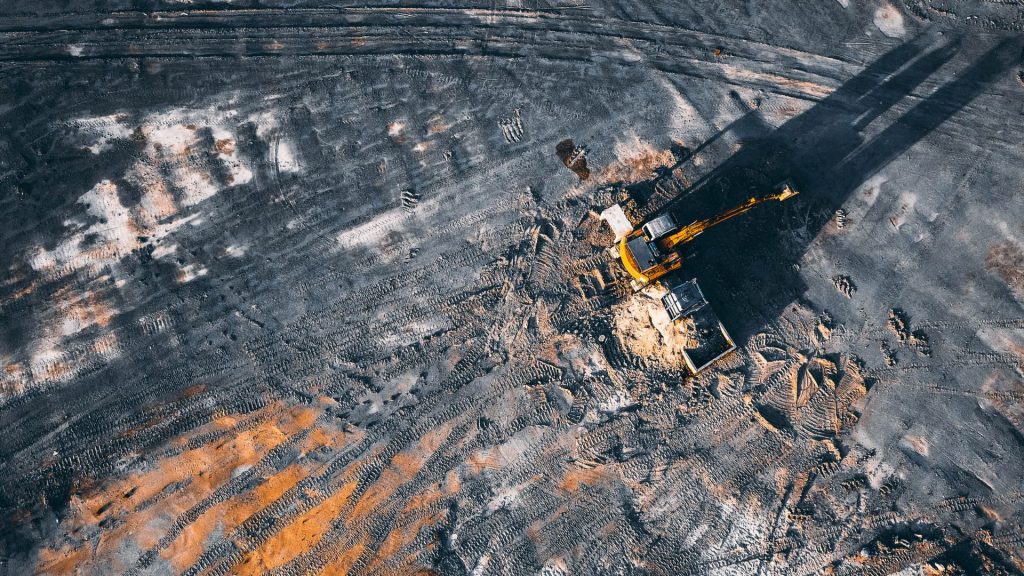
Minerra Ghana’s tailing management approach is informed by international best practice frameworks including the Global Industry Standard on Tailings Management (GISTM) developed under the auspices of the United Nations Environment Programme, the International Council on Mining and Metals (ICMM) tailings position statement, and the technical guidance published by the Mining Association of Canada (MAC). While these frameworks do not have direct legal force in Ghana, they represent the expectations of international investors, development finance institutions, and ESG rating agencies , and compliance with them is increasingly a condition of project financing.
Our team understands these frameworks and can help clients align their Ghanaian operations with the international standards their investors and financiers require.

Why Tailing Management Cannot Be Treated as a Secondary Function

The consequences of tailing management failure are severe and often irreversible. TSF embankment failures , globally, a small but catastrophic category of mining incident , have resulted in loss of life, destruction of communities, permanent environmental damage, and the revocation of operating licences. In Ghana’s context, where many TSFs are located in close proximity to farming communities and water sources, the stakes are not abstract.
Beyond the catastrophic end of the risk spectrum, everyday tailing management failures , overtopping, seepage, dust emission, decant water spills , generate regulatory notices, community complaints, compensation claims, and reputational damage that affects share price, project financing, and operating relationships.
Minerra Ghana’s tailing management services are designed to eliminate these risks at their source , through technically sound operational practice, continuous monitoring, and proactive management of the conditions that create incidents. Our clients’ TSFs do not feature in regulatory enforcement actions. That is the outcome we exist to deliver.
Frequently Asked Questions

Tailing Management FAQs

What is a tailings storage facility (TSF) and why does it require professional management?
A tailings storage facility is the engineered structure used to contain the solid and liquid waste material , tailings , produced by a mineral processing plant. TSFs require professional management because they present ongoing geotechnical, environmental, and regulatory risks that compound over time if not actively monitored and controlled. In Ghana, TSF management is regulated by the Environmental Protection Agency (EPA Ghana) and must comply with the Minerals and Mining Act.
Ghana’s Environmental Protection Agency requires mining operators to manage tailings under the conditions of their Environmental Permit. These conditions typically specify monitoring requirements, reporting obligations, containment standards, and closure provisions. Non-compliance risks EPA enforcement action, including permit suspension and financial penalties. Minerra Ghana manages all EPA permit compliance obligations as part of our tailing management service.
The Global Industry Standard on Tailings Management (GISTM) is an international framework developed in response to major TSF failures globally. It sets requirements for TSF design, operation, monitoring, and governance. While not legally mandated in Ghana, GISTM alignment is increasingly required by international investors and development finance institutions providing project financing. Minerra Ghana’s operational approach is informed by GISTM principles, and we can help clients align their reporting and operational documentation with GISTM requirements.
Freeboard is the vertical distance between the surface of the tailings pond and the crest of the TSF embankment. Maintaining adequate freeboard is critical because insufficient freeboard , particularly during high-intensity rainfall events , can lead to overtopping of the embankment, resulting in an uncontrolled release of process-affected water into the environment. Minerra Ghana’s monitoring protocols include continuous freeboard measurement with thresholds that trigger operational responses before freeboard reaches critical levels.
These terms describe different levels of water removal from tailings before disposal. Conventional slurry tailings contain a high proportion of water and are pumped hydraulically to the TSF. Thickened tailings have had more water removed by thickening equipment, resulting in a denser, less fluid material that settles more quickly and requires less containment volume. Paste tailings are further dewatered to produce a non-segregating, high-density material. The appropriate method depends on processing plant configuration, TSF design, and site-specific conditions. Minerra Ghana can manage operations under all three disposal methods.
Ghana’s wet season , particularly in the south and Ashanti region, can deliver intense rainfall events that significantly increase inflow to TSF ponds, reduce freeboard, and create stormwater management challenges. Minerra Ghana’s wet season protocols include enhanced freeboard monitoring, stormwater diversion bund inspections, emergency decant procedures, and increased frequency of pond level measurement. Wet season planning is conducted before each rainy season commences.
Our embankment monitoring programme includes visual inspection of embankment faces and crests, piezometer reading to track pore water pressures, settlement monitoring at designated survey points, survey of seepage emergence on embankment downstream faces, and measurement of seepage volumes in collection drains. Data is recorded systematically and trended to identify developing conditions before they become stability concerns.
Yes. Minerra Ghana provides technical input to TSF closure planning and progressive rehabilitation, including cover system design consultation, vegetation re-establishment guidance, final survey documentation, and preparation of closure reports for submission to EPA Ghana and the Minerals Commission. Addressing closure requirements progressively during operations is significantly more cost-effective than deferring all closure work to the post-production phase.
Yes. Minerra Ghana has the technical capability to assess legacy TSFs where historical management may have been sub-optimal, identify risk conditions, implement corrective operational measures, and develop a path to regulatory compliance. If you have concerns about the current condition or compliance status of an existing facility, contact us for a confidential initial assessment.
Minerra Ghana produces monthly operational reports, EPA compliance monitoring reports, environmental monitoring data summaries, embankment inspection records, and incident reports as required. For clients with investor disclosure obligations under GISTM or equivalent frameworks, we can structure our reporting outputs to align with the format and frequency required.
Minerra Ghana manages the sampling and submission logistics for environmental monitoring samples , including water quality samples from seepage, decant, and receiving watercourses , through accredited Ghanaian environmental laboratories. Laboratory costs are typically treated as a pass-through cost in our service agreements.
Our emergency response protocols include immediate containment of the release, notification of site management, regulatory notification as required by EPA Ghana permit conditions, environmental impact assessment, and remediation planning. Every tailing management programme we manage includes a documented emergency response procedure specific to the facility and site conditions.
Our tailing management team is led by our Lead Engineer with direct operational experience in TSF management across Ghana. Team members hold relevant technical qualifications and receive site-specific training on TSF procedures, emergency response, and EPA Ghana compliance requirements before deployment to any tailing management project.
Gold processing in Ghana typically involves cyanide leaching, which means gold mine tailings contain residual cyanide and other process chemicals , a factor that significantly elevates the environmental risk of any containment breach or seepage event. This makes professional tailing management particularly critical at gold operations. However, the geotechnical and hydrological management principles apply to all mineral processing tailings regardless of commodity.
Tailing management service costs depend on the scale of the facility, the scope of services required, monitoring intensity, reporting obligations, and site location. Minerra Ghana provides detailed proposals based on a site assessment or facility documentation review. Contact us at info@minerra.com.gh to initiate a scoping conversation.

Need a Proposal ?

Contact us for a site-specific tailing management proposal.

Need a Tailing Management Proposal?

Contact us with your project location, facility details, and scope requirements. We respond within one business day.

Minerals Commission-licensed mining support contractor delivering technically rigorous solutions across Ghana and West Africa.
© 2026 Minerra Ghana Limited. All rights reserved.
Minerals Commission Licensed